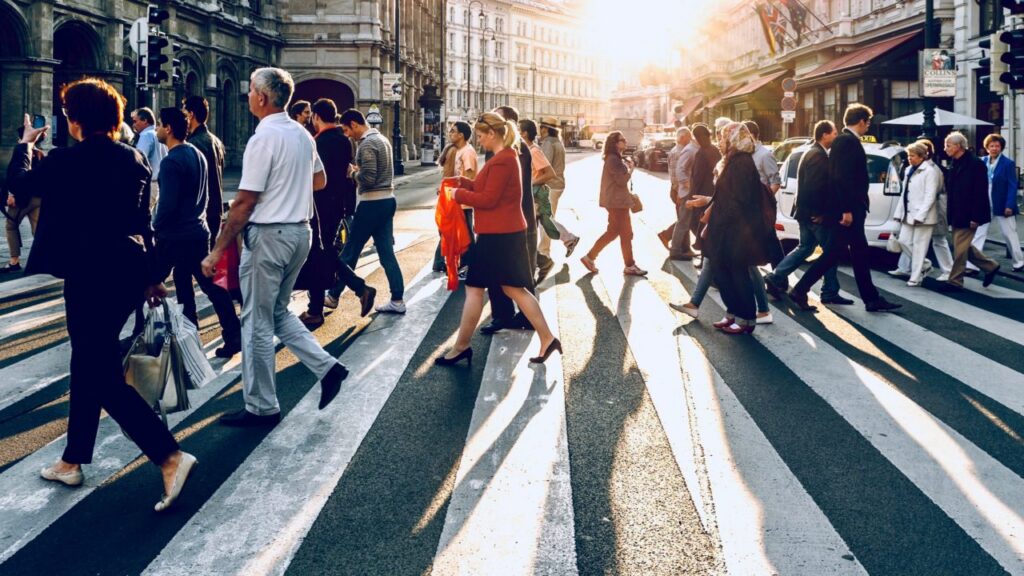
Facing heavy traffic, Hong Kong, China prioritizes reducing vehicular delay while implementing various pedestrian-friendly measures to enhance walkability. Key initiatives include pedestrian zones, the Central-Mid-Levels Escalator, electronic audible traffic signals, intelligent green light extensions for the elderly and disabled, safety auxiliary devices, pedestrian wayfinding systems, removal of unnecessary signs/railings, pedestrian platforms, and low-speed zones.
01. Pedestrian Zones
Since 2000, the Transport Department has implemented pedestrian environment improvement schemes in areas like Causeway Bay, Central, and Mong Kok. These include:
- Full-time Pedestrian Streets: Priority for pedestrians; only emergency/service vehicles allowed.
- Part-time Pedestrian Streets: Vehicle access restricted to specific hours.
- Leisurely Streets: Widened footpaths, minimal parking, and traffic calming measures.
These schemes aim to improve safety, promote walking, discourage non-essential traffic, and enhance the overall pedestrian environment, carefully considering local pedestrian flow, land use, and traffic impact.
02. Central-Mid-Levels Escalator
The system, operational since 1993, comprises covered walkways, 16 escalators, and 3 travelators. It serves approximately 99,000 daily users (2024 data). Downward operation runs from 6:00 AM to 10:00 AM, and upward from 10:00 AM to midnight.
03. Pedestrian Crossing Facilities
Electronic Audible Traffic Signals (EATS): Provide audible cues and vibrating units for the visually impaired, with automatic volume adjustment. New generations since 2025 feature LED lights, tactile maps, voice prompts, contactless buttons, and flexible volume control.
Intelligent Green Man Extension: Elderly (aged 65+ with JoyYou Card/Elder Octopus) and persons with disabilities can tap their card to extend the flashing green time at designated crossings.
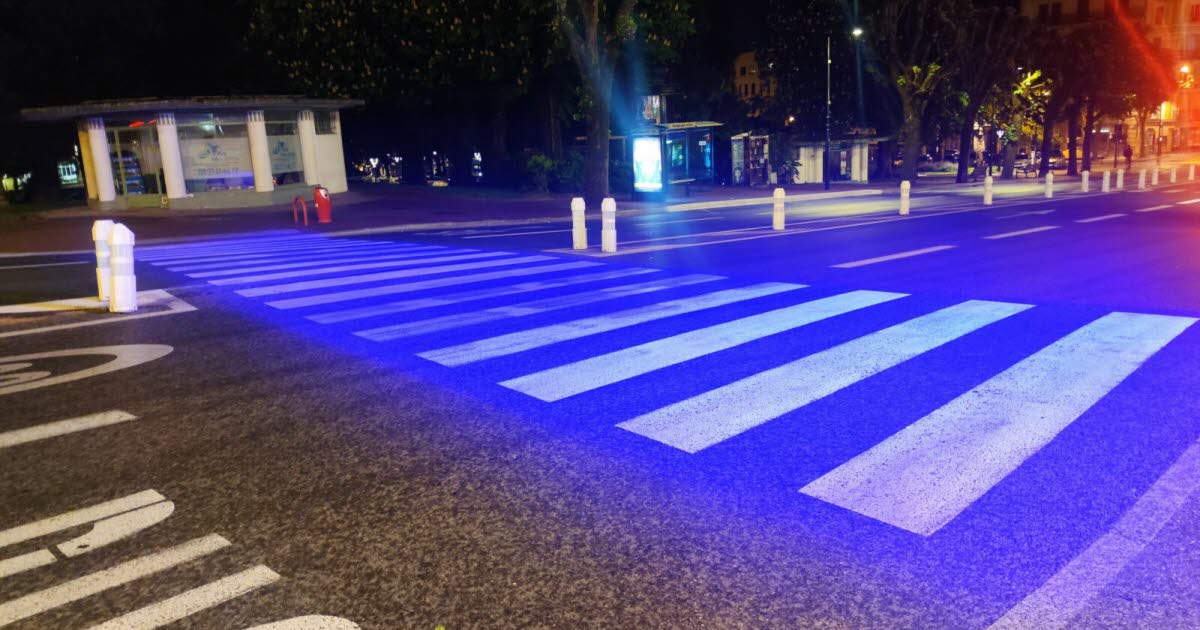
Safety Auxiliary Devices: Red light projection systems are installed at crossings to alert distracted pedestrians, enhancing safety.
04. “Hong Kong Good • Easy Walk” Initiative
This strategy aims to build a “Walkable City” through four objectives: “Accessible,” “Safe,” “Comfortable & Pleasant,” and “Seamless & Well-connected.” Key measures include:
- Pedestrian Wayfinding Systems: Clear, coherent signage piloted in central districts.
- Removing Unnecessary Signs/Railings: Frees up space; over 290 signs and 3.5km of railings were removed in pilot areas.
- Pedestrian Crossing Platforms: Raised, colored platforms to slow vehicles and aid crossing.
- Footway-level Vehicle Access: Improves accessibility at driveway crossings.
- Low-speed Zones: 30 km/h limits implemented near schools and residential areas.
- Covered Walkways: Adding shelters to key footpaths connecting transport hubs and hospitals.
A Pedestrian Planning Framework incorporating “Link & Place” concepts guides the design and prioritization of these improvements based on street function.
The Transport Department continues to identify suitable locations for these measures, collaborating with districts and updating guidelines based on practical experience.
Content excerpted from: Transport Department, HKSAR Government
Source:ITS7NEWS
About The Author